
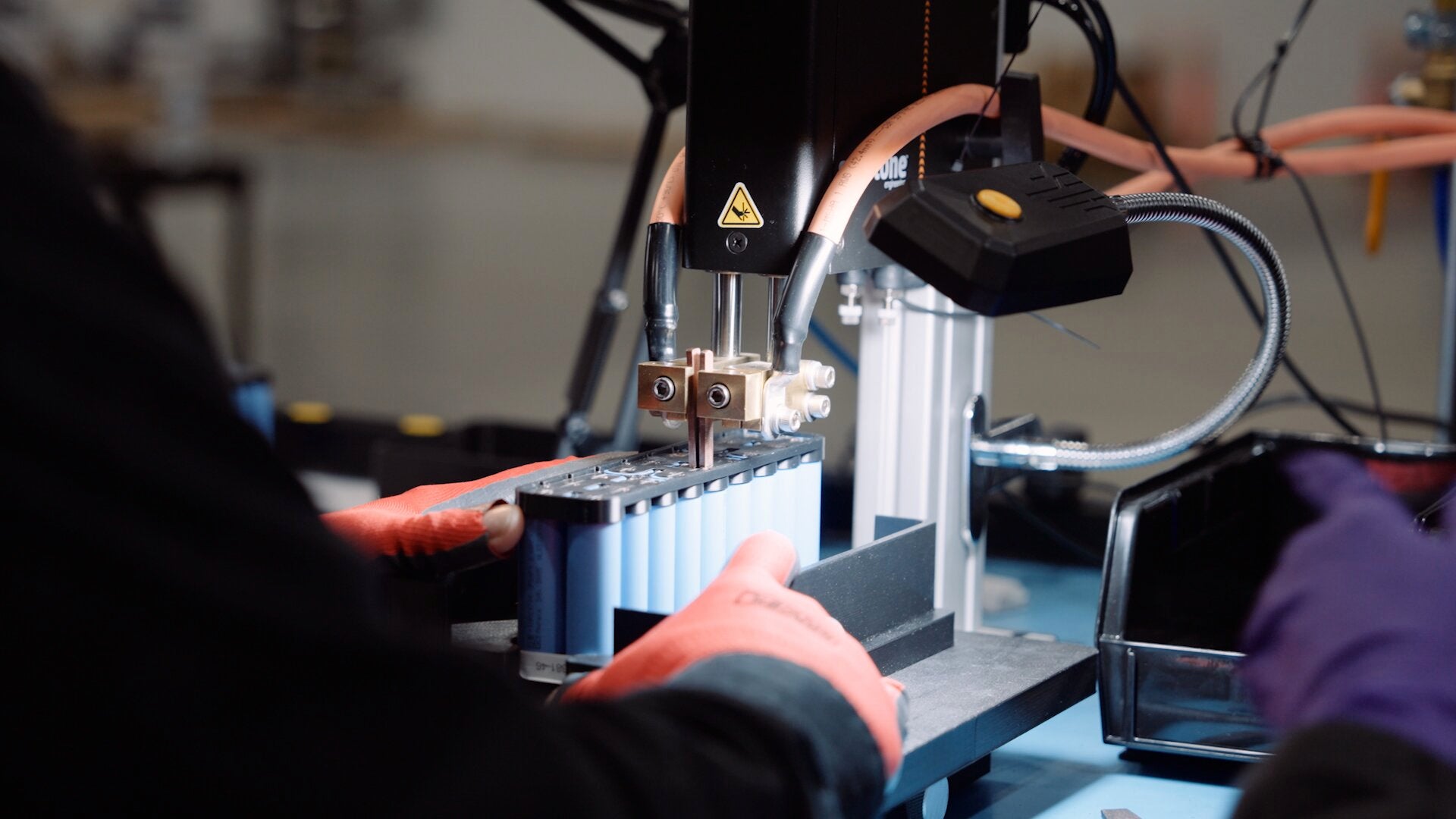
SoC vs SoH: Understanding the Two Most Important Battery Metrics
Learn how battery chemistry impacts State of Charge (SoC), State of Health (SoH), and Battery Management System (BMS) accuracy for safer, more reliable battery performance.

Learn how battery chemistry impacts State of Charge (SoC), State of Health (SoH), and Battery Management System (BMS) accuracy for safer, more reliable battery performance.
Learn how battery chemistry impacts State of Charge (SoC), State of Health (SoH), and Battery Management System (BMS) accuracy for safer, more reliable battery performance.
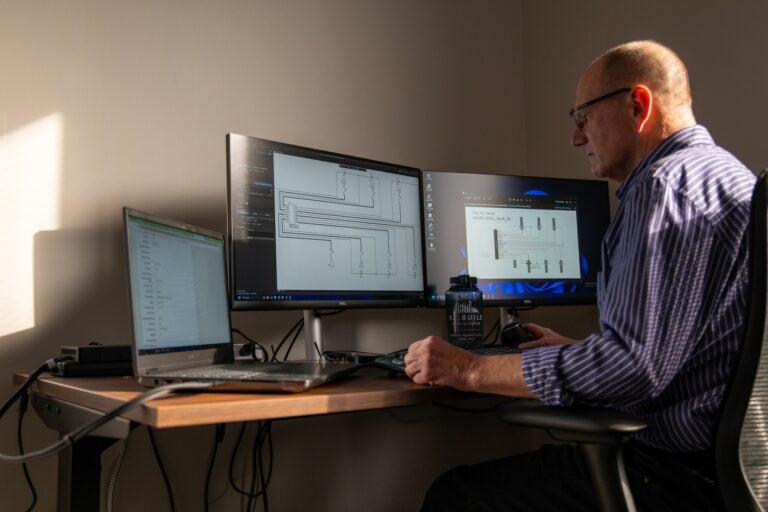
Understand the fundamentals of PCB design, including stack-up development, controlled impedance, component placement, signal integrity, and design reviews.
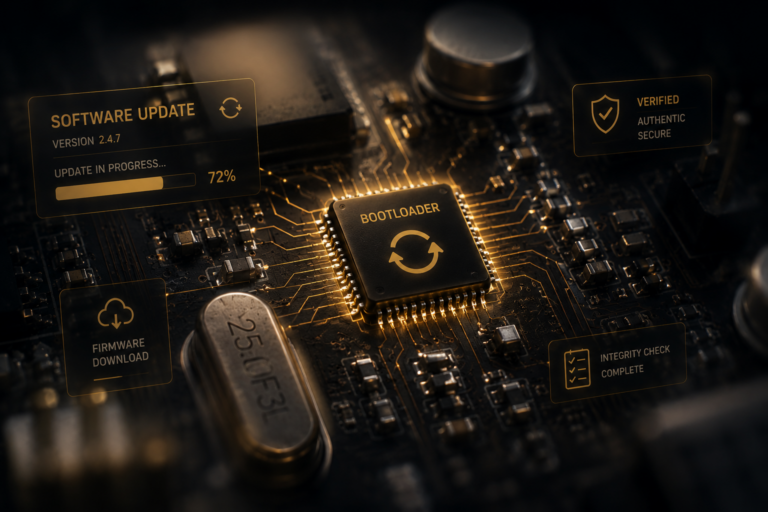
Learn why fail-safe bootloaders are critical to reliable OTA updates, secure firmware deployment, and long-term device reliability. Discover how poor bootloader design can lead to costly failures, bricked devices, and increased business risk.
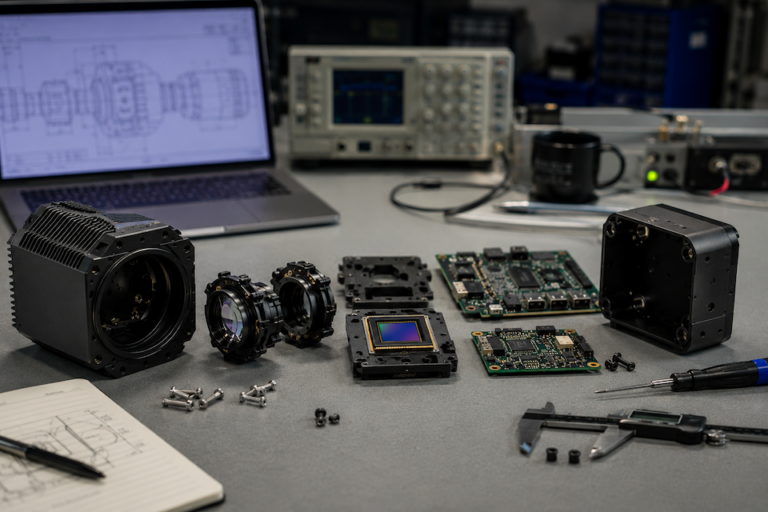
Developing a thermal imaging or multispectral sensing product? Learn the most common imaging system development challenges and how to reduce risk when moving from prototype to production.
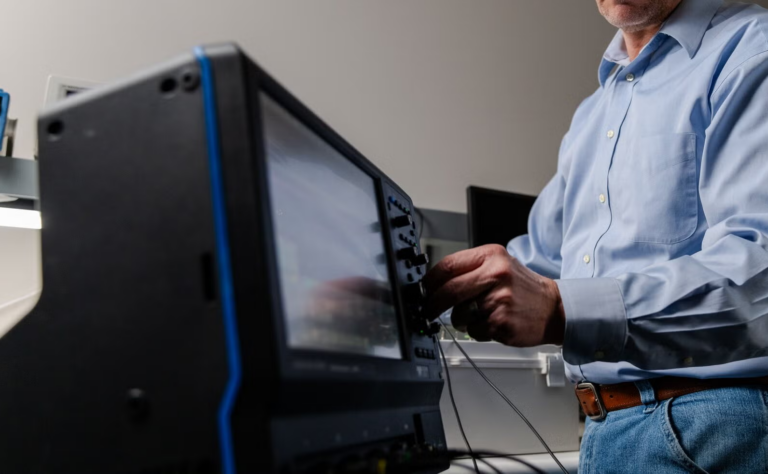
Discover why FPGA designs pass lab tests but fail in production. Learn about IO timing constraints, metastability prevention, multicycle paths, and how to avoid costly field failures in your FPGA projects.
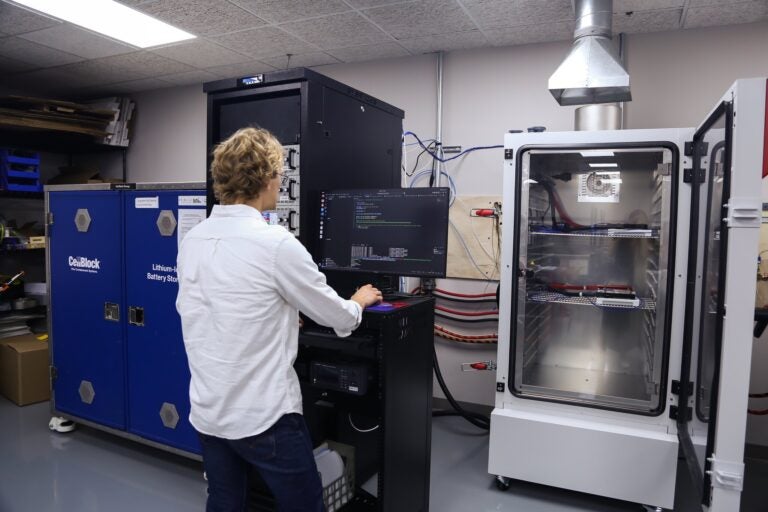
Learn how smarter battery pack design, battery thermal management, and battery performance testing improve reliability, reduce risk, and optimize battery system design from the start.
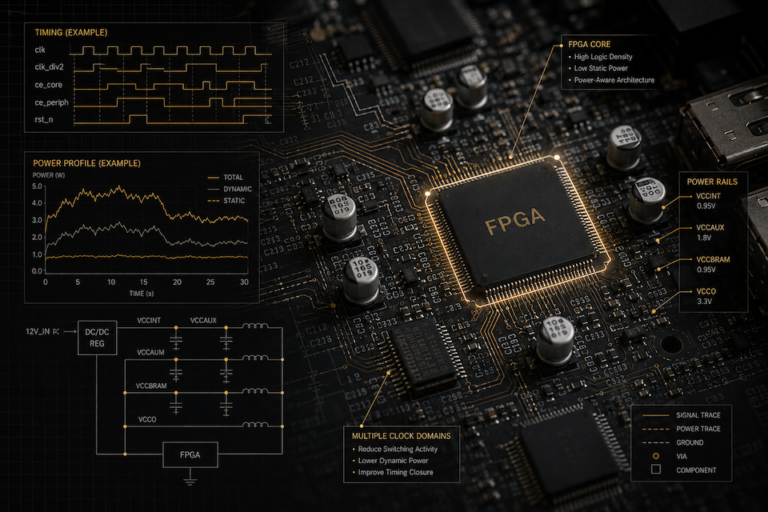
Low-power FPGA design starts long before HDL development. Learn how early architectural decisions impact FPGA power consumption, thermal performance, reliability, and scalability.
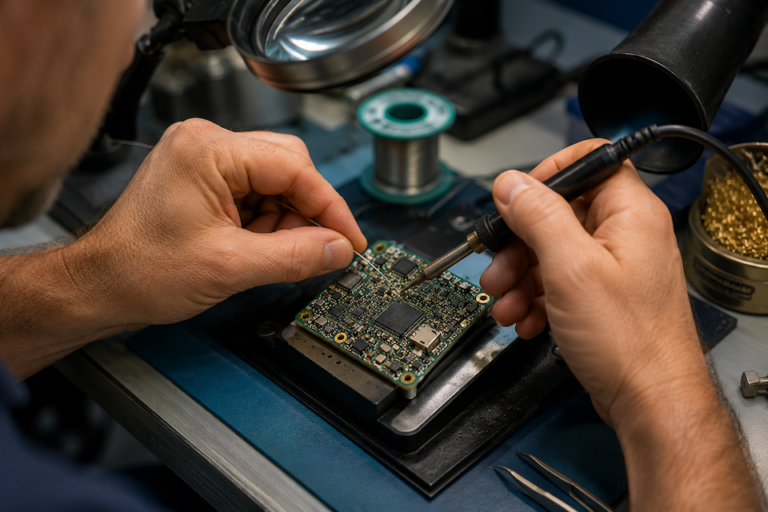
Explore how HDI PCB design and microvias improve routing density, signal integrity, and manufacturability in complex multilayer PCB layouts. Learn how Re:Build AppliedLogix approaches high-reliability PCB design for advanced electronic systems.
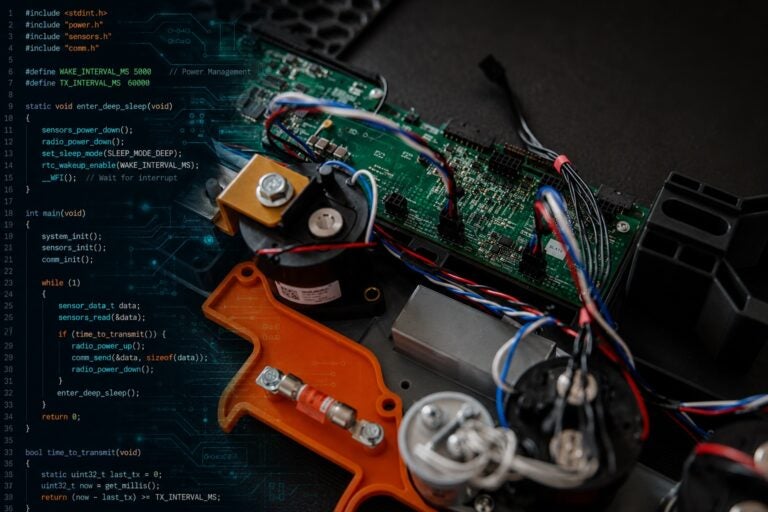
Learn how low-power embedded system design improves battery life, reduces redesign risk, and optimizes performance through close hardware and firmware collaboration for battery-powered products.
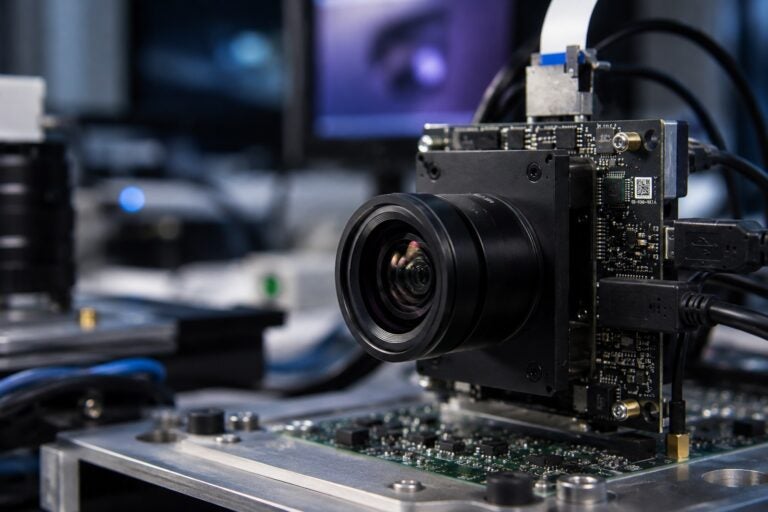
Explore why high-performance imaging is critical in modern vision systems and how FPGA image processing powers low latency high-speed imaging in real-time embedded vision systems.
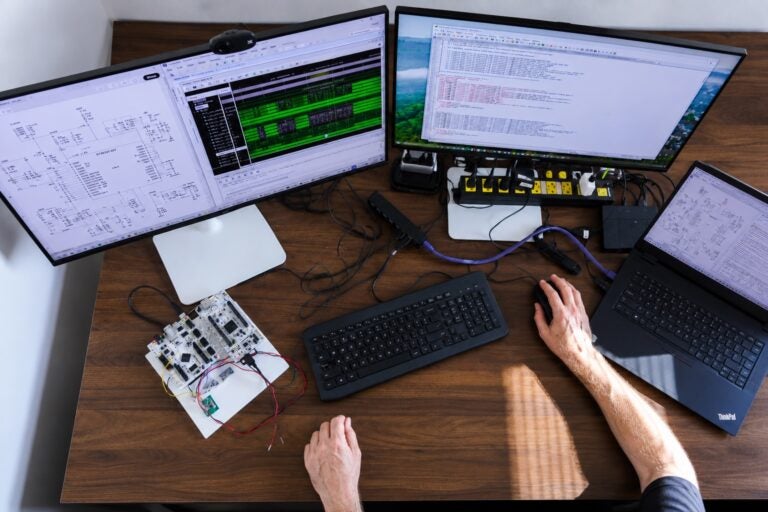
Learn why HDL craftsmanship still matters in modern FPGA development, from portable RTL design and reusable IP to AI-assisted hardware engineering.
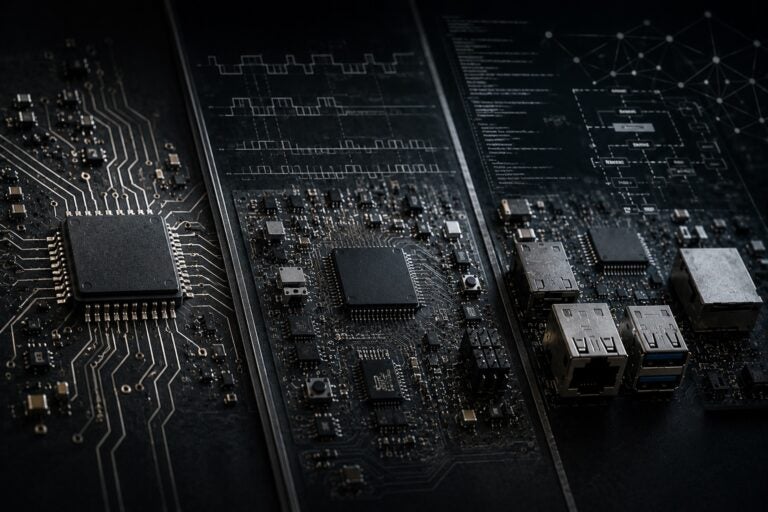
Bare-metal, RTOS, or embedded Linux? Learn how to choose the right embedded software architecture based on real-time performance, power consumption, connectivity, scalability, and long-term product requirements.
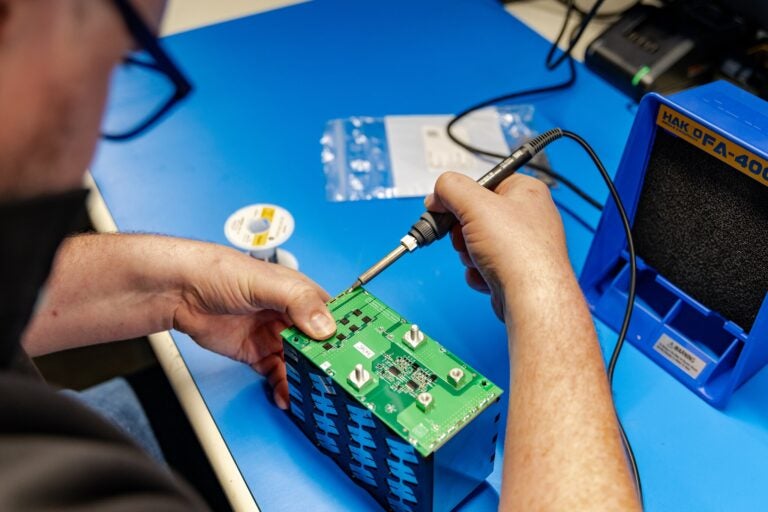
Learn how cell balancing impacts battery pack safety, performance, thermal behavior, and reliability in modern Battery Management Systems (BMS).
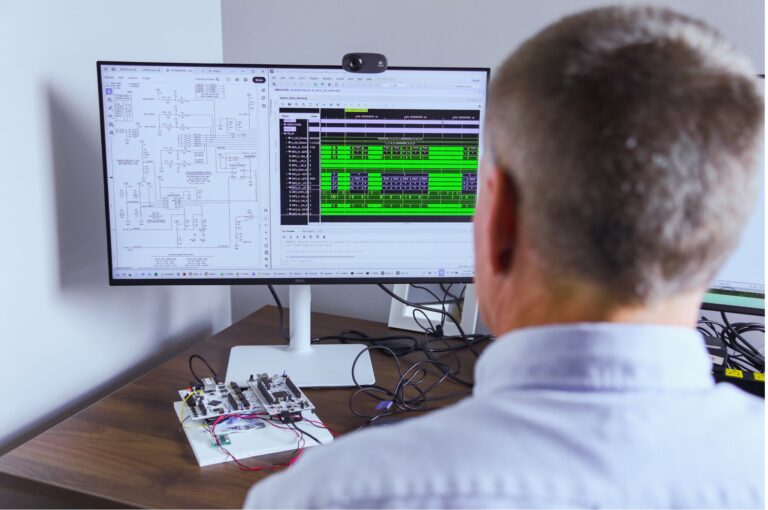
FPGA-in-the-Loop (FIL) testing changes everything by bridging the gap between simulation and real-world validation. This article explains when to use FIL versus traditional simulation, essential setup components, and how to optimize your testing workflow for maximum efficiency.
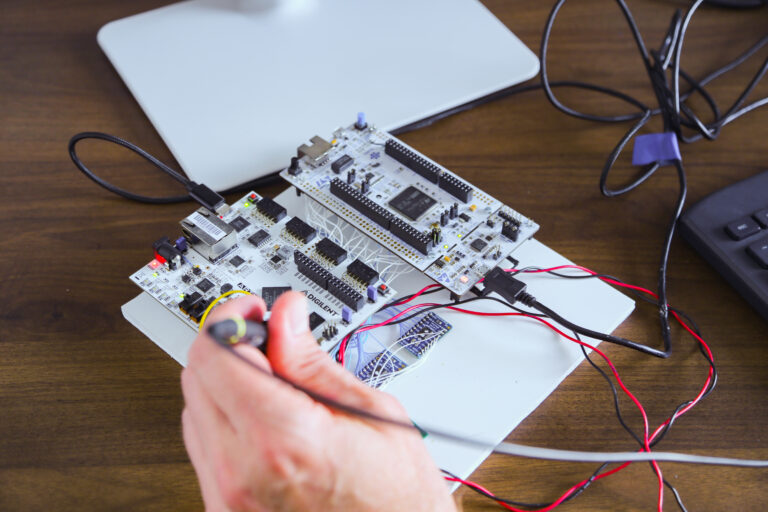
Struggling with FPGA timing closure? This article breaks down practical techniques for pipelining, logic simplification, and smart device selection that can rescue your next project from routing nightmares and inconsistent builds.

Struggling to choose between FPGA + Processor and SoC for your embedded design? Dive deep into performance, power, flexibility, and cost to make the optimal decision for your next project.

Discover how Re:Build AppliedLogix’s Phase 0 sets the stage for successful embedded systems projects. We clarify objectives, capture detailed requirements, and mitigate risks early for efficient development.
Re:Build AppliedLogix offers a collaborative approach to embedded systems design. Our experienced senior engineers work alongside your team, providing cutting-edge solutions, knowledge transfer, and dedicated support to bring your products to market on budget and on time.